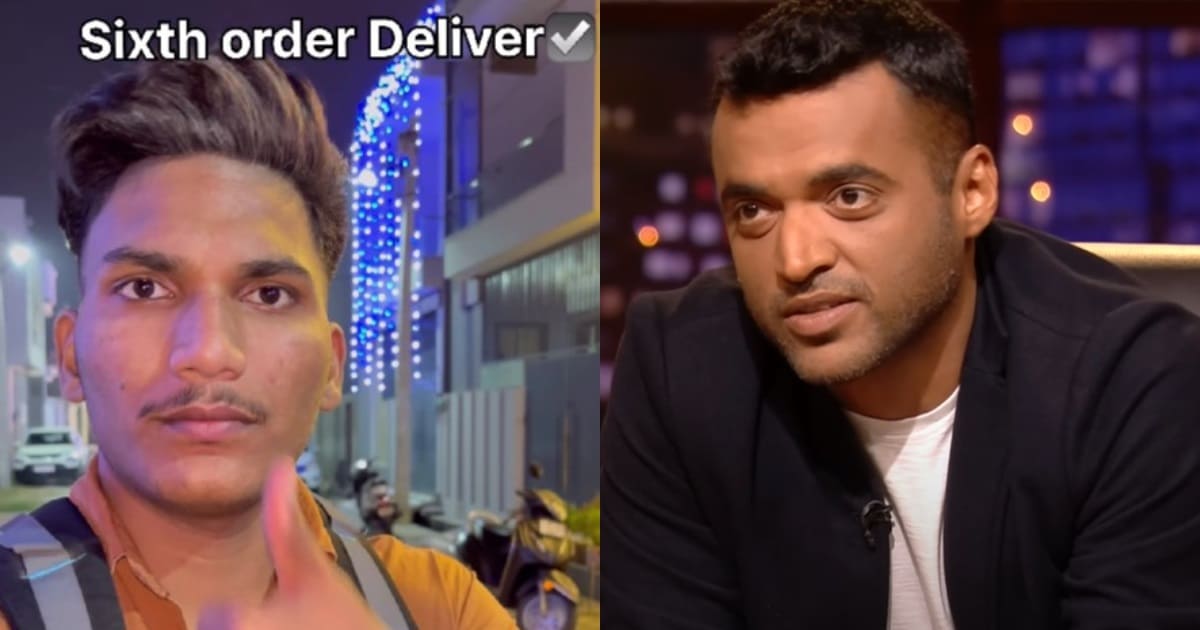
A recent video showing a Zomato delivery partner claiming he earned only ₹300 after working for six hours on Diwali went viral on social media. The clip triggered strong reactions, with many people questioning the pay structure of food delivery platforms. After the issue gained attention, Zomato came forward with an official clarification to address what it called misleading information.
What Was Shown in the Viral Video
The video was shared by Ritik Tomar, a part-time Zomato delivery partner from Meerut. In the reel, he showed himself delivering food orders during festive hours. He mentioned that his shift started in the evening and ended late at night. According to his claim, he completed multiple orders but earned only around ₹316 for the entire duration.
This claim quickly spread online and made many viewers emotional, as Diwali is usually considered a family festival in India.
Public Reaction on Social Media
After the video crossed millions of views, social media users expressed sympathy for the delivery partner. Many criticised food delivery companies for allegedly underpaying workers, especially during festivals. The issue soon turned into a wider debate about gig worker income and working conditions.
Zomato Responds to the Allegations
Zomato issued an official statement saying the reports based on the viral video were not accurate. The company said it was disturbed by the incorrect information being circulated and decided to clarify the facts publicly.
According to Zomato, the delivery partner did not actually work on Diwali night. The earnings shown in the video were from a different date.
Actual Earnings Shared by Zomato
Zomato explained that Ritik Tomar worked for around six hours on October 30, not on Diwali. During that time, he completed 10 deliveries and earned ₹695 in total. This amount was more than double the figure claimed in the viral video.
The company also added that other delivery partners in Meerut who worked longer hours during Diwali earned between ₹1,200 and ₹1,300 on average.
Why Such Confusion Happens
Many delivery partners use short video clips or screenshots that may not show complete details like incentives, peak-hour bonuses, or the exact date of work. This can sometimes lead to misunderstanding among viewers, especially when the content goes viral without full context.
Our View on the Issue
While social media helps highlight worker issues, it is also important to verify facts before forming opinions. Gig work income can vary based on hours worked, number of orders, location, and incentives. At the same time, companies should maintain transparency so that such confusion does not arise in the future.
Conclusion
Zomato’s clarification shows that the viral claim about a delivery partner earning only ₹300 for six hours of work on Diwali was not fully accurate. While concerns about gig workers’ income are valid, this particular case highlights how incomplete information can spread quickly online. Both platforms and content creators must ensure clarity to avoid misleading the public.
FAQs
Was the delivery partner working on Diwali night?
No. Zomato stated that the delivery partner worked on October 30, not on Diwali.
How much did the delivery partner actually earn?
According to Zomato, he earned ₹695 for six hours after completing 10 deliveries.
Why did the video go viral?
The video showed a low earning figure during festive hours, which emotionally connected with viewers and raised concerns about worker pay.
What did Zomato say about other delivery partners’ earnings?
Zomato claimed that delivery partners in Meerut who worked around 10 hours on Diwali earned between ₹1,200 and ₹1,300.
What should viewers learn from this incident?
Viewers should check facts and full context before believing or sharing viral content, especially related to sensitive issues like income and labour.