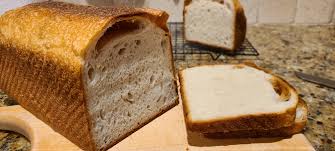
Bread is a daily food in many Indian homes. From breakfast toast to sandwiches, we eat it without thinking much. But one question often comes to mind when we look closely at a bread slice — why does bread have small holes inside? Is it normal, or is something wrong with it? The answer is simple, scientific, and quite interesting.
What Are Those Small Holes Inside Bread?
The small holes you see inside bread are actually air pockets. These holes are created during the bread-making process. They are a sign that the bread has risen properly and is soft inside.
Good quality bread usually has evenly spread small holes. If there are no holes at all, the bread may feel hard and dense.
The Role of Yeast in Making Bread Soft
Yeast plays the biggest role in creating holes inside bread. Yeast is a living organism added to dough. When yeast eats sugar present in the dough, it releases gas.
This gas gets trapped inside the dough and forms bubbles. When bread is baked, these bubbles turn into the small holes we see after slicing.
Why Gas Does Not Escape from the Dough
You may wonder why the gas does not simply escape. The answer lies in gluten. Gluten is a protein found in wheat flour. When dough is kneaded, gluten forms a stretchy network.
This network traps the gas released by yeast. As a result, the dough expands and becomes fluffy instead of flat.
Baking Turns Bubbles into Permanent Holes
During baking, heat kills the yeast but fixes the shape of the bread. The gas expands more due to heat and then settles.
Once baking is complete, the air pockets remain as holes. This is why bread stays soft even after cooling.
Do Bigger Holes Mean Better Bread?
Not always. Very big holes may mean the dough was over-fermented. Very small or no holes may indicate poor fermentation.
Balanced holes usually mean the bread is well-made, soft, and easy to chew.
Different Breads Have Different Hole Patterns
Not all breads look the same inside. White bread has small, even holes. Brown bread may have tighter holes. Artisan breads like sourdough often have large, uneven holes.
This difference depends on flour type, yeast amount, kneading style, and baking method.
Is Bread Without Holes Bad for Health?
Bread without holes is not harmful, but it may feel heavy and less tasty. It may also be harder to digest for some people.
Properly fermented bread with holes is generally lighter and easier on the stomach.
Our Take on Bread Holes
Those tiny holes are actually a sign of good baking. They show that yeast, time, and heat worked together properly. Instead of worrying, you can take it as a sign that your bread is fresh and well-prepared.
Conclusion
The small holes inside bread are not defects. They are created naturally by yeast and trapped gas during baking. These holes make bread soft, light, and enjoyable to eat. So next time you spot them, you’ll know they are a good sign, not a problem.
FAQs
Why does homemade bread sometimes have fewer holes?
Homemade bread may have fewer holes if yeast is less active or the dough is not kneaded enough.
Are bread holes filled with air or gas?
They are mostly filled with air after baking. The gas escapes when bread cools.
Can bread have holes without yeast?
Yes, but yeast creates most holes. Baking powder or soda can create small bubbles too.
Is bread with holes healthier than flat bread?
It is not healthier, but it is usually lighter and easier to digest.
Do bread holes affect taste?
Yes, proper holes make bread softer and improve texture and taste.