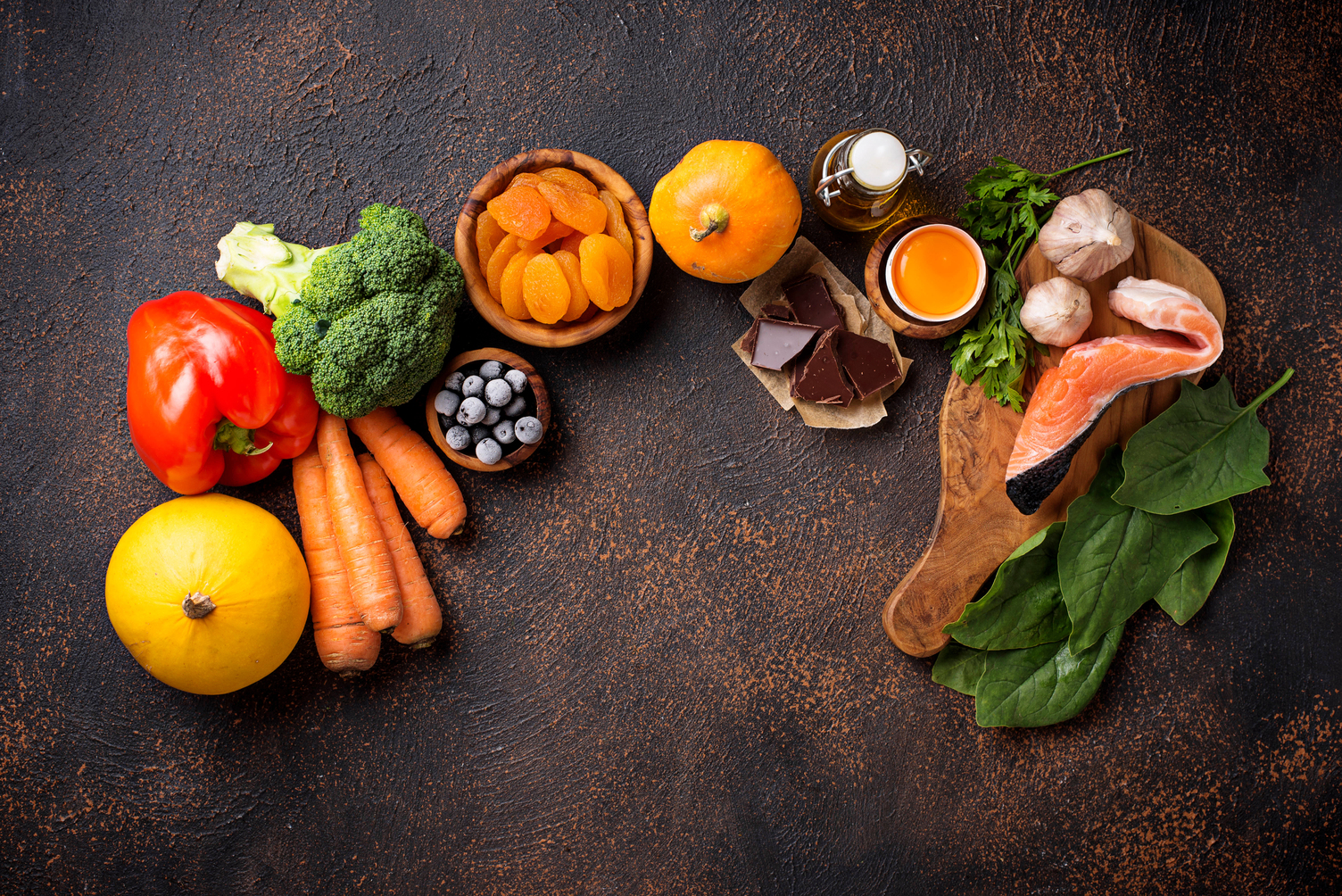
Good eyesight is one of the most important senses. While our eyes naturally change as we age, lifestyle choices, especially diet, can play a big role in keeping our vision sharp. Eating the right foods can protect your eyes from diseases and improve overall eye health. Here are the 10 best foods you should include in your daily diet.
Fish – A Superfood For Your Eyes
Fish like salmon, tuna, mackerel, and sardines are full of omega-3 fatty acids. These healthy fats help protect the eyes, reduce dryness, and lower the risk of age-related eye problems. Including fish in your diet 2–3 times a week can do wonders for your vision.
Red Peppers – Boost Vitamin C For Clear Eyes
Red peppers are rich in vitamin C, which strengthens blood vessels in your eyes and lowers cataract risks. Other sources include strawberries, broccoli, and bok choy. Adding a cup of raw red peppers in your salad or cooking can make your eyes healthier.
Seeds – Tiny But Powerful
Chia seeds, flax seeds, and hemp seeds are small but full of omega-3s and vitamin E. These nutrients help prevent eye damage and support overall vision health. Sprinkle them in smoothies, cereals, or salads for maximum benefit.
Dark Leafy Vegetables – Nature’s Eye Vitamins
Spinach, kale, and other dark leafy greens are full of antioxidants like lutein and zeaxanthin. These nutrients protect against age-related macular degeneration (AMD) and improve eye function. Eat them raw in salads or lightly cooked for best results.
Carrots – The Classic Eye Food
Carrots are rich in beta-carotene, a type of vitamin A that helps your eyes adjust in the dark. Sweet potatoes, pumpkins, and mangoes also contain beta-carotene. Regular consumption can support your night vision and overall eye health.
Lean Meat and Poultry – Zinc For Strong Eyes
Zinc helps carry vitamin A to your retina, creating melanin to protect eyes and skin. Include chicken, beef, pork, or eggs in your meals. Even oysters are a great source of zinc if you enjoy seafood.
Eggs – Eye-Protecting Nutrients
Eggs contain lutein, zeaxanthin, and zinc, which help block harmful blue light. Regularly eating eggs can support retina health and improve visual sharpness.
Broccoli and Brussels Sprouts – Vitamins A, C, E Combo
Broccoli and Brussels sprouts are rich in vitamins A, C, and E. These protect your eyes from harmful free radicals and maintain clear vision. Steam or lightly stir-fry to retain nutrients.
Beans and Legumes – Plant Power For Vision
Beans and lentils are packed with zinc and other vitamins. They are excellent for people following vegetarian or vegan diets and can help keep your eyesight sharp and strong.
Water – Hydrate For Healthy Eyes
Staying hydrated is essential. Drinking enough water prevents dry eyes and irritation, keeping your eyes comfortable all day.
Tips To Improve Eye Health Daily
- Wear sunglasses outdoors to protect from UV rays
- Take regular breaks from screens to reduce eye strain
- Maintain proper hygiene with contact lenses
- Schedule routine eye checkups
- Protect your eyes from harmful chemicals when working
FAQs About Eye Health Foods
Can eating these foods improve vision overnight?
No, eye health improves gradually. Regular diet and lifestyle changes support long-term vision.
How much water should I drink for healthy eyes?
At least 2–3 liters a day helps prevent dryness and irritation.
Are supplements better than natural foods for eyes?
Natural foods are always preferred. Supplements help only if your diet lacks nutrients.
Can children benefit from these foods too?
Yes, a diet rich in these foods supports eye development and prevents future problems.
Conclusion
Eating the right foods is the easiest way to protect your eyes. Fish, leafy greens, seeds, carrots, and water are just some of the ways to maintain healthy vision. Combine a proper diet with regular eye care and you can enjoy strong, sharp eyesight for years.