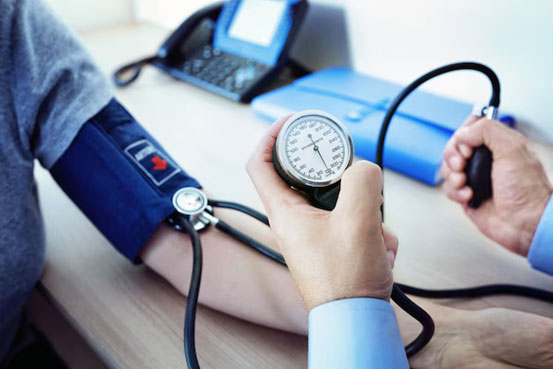
High blood pressure, also called hypertension, is one of the most common health problems worldwide. Doctors often call it a “silent killer” because it usually shows no clear symptoms until serious damage has already happened. Many people live with high blood pressure for years without knowing it.
In India and across the world, rising stress, unhealthy food habits, lack of exercise, and lifestyle diseases have made hypertension a growing concern.
Why High Blood Pressure Is So Dangerous
High blood pressure means the force of blood against your artery walls stays too high for a long time. Over time, this extra pressure damages important organs like the heart, brain, kidneys, and eyes.
If not controlled, hypertension can lead to:
- Heart attack
- Stroke
- Heart failure
- Kidney damage
- Sudden cardiac death
The biggest danger is that people often feel “normal” until a major medical emergency occurs.
Why Hypertension Is Called a Silent Killer
In most cases, high blood pressure does not cause pain or discomfort in the early stages. Many people discover it only during routine health check-ups or after a serious complication.
That is why doctors strongly advise adults to check their blood pressure regularly, even if they feel healthy.
Warning Signs You Should Never Ignore
Although hypertension is often silent, certain symptoms may appear when blood pressure becomes dangerously high. These signs should never be ignored.
Severe Headache and Dizziness
A sudden, intense headache along with dizziness or confusion can be a warning sign of a blood pressure spike.
Chest Pain or Breathing Trouble
Chest pain, shortness of breath, sweating, or nausea may indicate stress on the heart and need immediate medical attention.
Vision Problems
Blurred vision or sudden vision loss can happen due to damage to blood vessels in the eyes.
Nosebleeds Without Reason
Frequent or heavy nosebleeds may be linked to high blood pressure in some people.
Irregular Heartbeat
Fast or irregular heartbeat can signal that the heart is under pressure.
Seizures or Loss of Consciousness
In extreme cases, very high blood pressure can lead to seizures or fainting, which is a medical emergency.
When High Blood Pressure Becomes an Emergency
A blood pressure reading of 180/120 mmHg or higher is considered a hypertensive crisis. This condition can cause organ damage within minutes.
If someone experiences very high BP along with chest pain, confusion, paralysis, or breathing trouble, immediate medical help is required.
Who Is at Higher Risk of Hypertension
Some people are more likely to develop high blood pressure due to:
- Obesity or excess weight
- Diabetes
- Family history
- High salt intake
- Smoking and alcohol use
- High stress levels
- Lack of physical activity
Age also increases risk, but young adults are not immune anymore.
How to Control High Blood Pressure Naturally
Managing blood pressure is possible with small but consistent lifestyle changes.
Healthy Diet
Eating less salt, avoiding fried food, and choosing fruits, vegetables, and whole grains can make a big difference.
Regular Exercise
Simple activities like walking, yoga, or cycling for 30 minutes daily help control BP.
Stress Management
Meditation, deep breathing, and proper sleep help reduce stress-related BP spikes.
Limit Alcohol and Quit Smoking
Reducing alcohol intake and stopping smoking significantly lowers heart risks.
Take Medicines Properly
If prescribed, medicines should be taken exactly as advised by the doctor.
Importance of Regular Blood Pressure Monitoring
Checking blood pressure at home or during routine doctor visits helps catch problems early. Early detection allows better control and prevents serious complications.
Doctors recommend adults check BP at least once every few months, even if they feel healthy.
Conclusion
High blood pressure may not shout, but it sends silent warnings that should never be ignored. Regular check-ups, a healthy lifestyle, and early treatment can save lives. Ignoring hypertension can lead to life-threatening emergencies, while timely action can ensure a long and healthy life. Awareness is the first step towards prevention.
FAQs
What is normal blood pressure?
Normal blood pressure is usually around 120/80 mmHg.
Can young people get high blood pressure?
Yes. Due to stress, poor diet, and lack of exercise, hypertension is now common even among young adults.
Does high blood pressure always show symptoms?
No. Most people have no symptoms, which is why regular BP checks are important.
Can lifestyle changes reduce blood pressure?
Yes. Healthy eating, exercise, stress control, and quitting smoking can greatly help.
When should I see a doctor?
If your BP readings are consistently high or if you experience severe symptoms like chest pain or dizziness, consult a doctor immediately.