Artificial Intelligence is slowly becoming part of everyday life. From smartphones to home security systems, AI technology is changing how people manage their homes. A recent viral story from Bengaluru has started a big discussion online after a software professional claimed that an AI-powered camera in his kitchen helped him catch his cook stealing food.
The unusual use of AI surveillance at home has divided opinions on social media. While some people called it a smart use of technology, others raised questions about privacy and ethics.
How the AI Camera Was Installed in the Kitchen
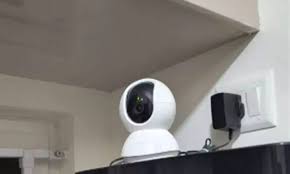
According to the viral social media post, a tech professional named Pankaj installed an AI-powered camera in his kitchen. The camera was placed above the refrigerator and connected to an AI system that monitored activities inside the kitchen.
my cook was stealing fruits from my fridge so i deployed my ai roommate in the kitchen and it caught her red handed 👩🍳
it monitors the kitchen when she’s cooking and pings me the moment she takes anything. sends me weekly report. i also trained it to check if she washes her… pic.twitter.com/wnyzXttkVm
— Pankaj (@the2ndfloorguy) March 1, 2026
The system worked like a digital assistant. It recorded kitchen activity and generated reports about what was happening during cooking time. The AI could detect actions such as opening the fridge, washing hands before cooking, and cleaning the kitchen slabs.
The man described the device as his “AI roommate” because it constantly observed kitchen activities and provided updates.
Add audio also, next time when maid steals something it sounds “fahhhh”
— Priyanshu 🇮🇳 (@imPU23) March 1, 2026
AI System Generated Weekly Activity Reports
One of the most interesting parts of the system was its ability to create weekly reports.
The AI would automatically analyze the recorded footage and send messages describing what happened in the kitchen. The report included:
- How many times the fridge was opened
- Whether fruits or items were removed
- Cooking time
- Hygiene habits such as hand washing
- Cleaning practices in the kitchen
According to the reports shared online, the AI claimed the cook sometimes took fruits from the fridge before starting work.
AI Report Claimed Missing Fruits from the Fridge
In one message shared in the screenshots, the AI assistant informed the owner that the cook entered the kitchen and took two apples before starting to cook.
Another weekly report mentioned that several fruits such as bananas and blueberries were missing during the week. The AI system also commented on hygiene habits, saying the cook washed her hands before cooking on some days but not every day.
The reports also said that cooking usually finished in less than 35 minutes.
Based on these observations, the man said he decided to remove the cook from the job.
Social Media Reacts to the Unusual Use of AI
After the screenshots were shared online, the post quickly went viral. Thousands of users reacted and shared their opinions.
Some people praised the idea and said this is how future smart homes will work. They believed AI technology can help improve home security and accountability.
However, many others felt uncomfortable about the situation. They questioned whether it was fair to monitor workers with AI cameras without their full knowledge.
Some users even joked that the next step might be AI tracking how perfectly round the rotis are.
The debate quickly turned into a larger conversation about privacy, technology, and workplace ethics.
Growing Use of AI Cameras in Homes
AI cameras are becoming increasingly common in modern households. These devices are often used for:
- Home security
- Monitoring children or elderly family members
- Detecting unusual movements
- Smart home automation
Many systems now use features such as face recognition, object detection, and automatic alerts.
Technology experts believe the smart home industry will grow rapidly in the coming years as AI tools become cheaper and more accessible.
Privacy and Ethical Concerns Around AI Surveillance
While AI monitoring can improve security, it also raises serious privacy questions.
Workers such as domestic helpers, drivers, and housekeepers may feel uncomfortable if they are constantly monitored. Experts say that transparency and consent are very important when using surveillance technology in personal spaces.
In many countries, privacy laws require people to inform workers if cameras are installed in the house.
The incident has once again highlighted the need for clear rules about the use of AI in private homes.
Conclusion
The Bengaluru techie’s AI camera story shows how rapidly technology is entering everyday life. While AI tools can help improve security and efficiency, they also bring new challenges related to privacy and ethics.
The viral incident has started an important discussion about how far technology should go in monitoring people. As AI continues to evolve, society will need to balance convenience with respect for human privacy.
FAQs
What happened in the Bengaluru AI camera incident?
A tech professional in Bengaluru claimed that his AI-powered kitchen camera detected his cook taking fruits from the refrigerator. Based on the reports generated by the AI system, he decided to terminate her services.
How did the AI camera work?
The camera used artificial intelligence to monitor activities in the kitchen. It tracked actions such as opening the fridge, cooking time, and hygiene habits, and then created weekly activity reports.
Why did the story go viral?
The story became viral because it showed a unique and unusual use of AI technology in a home environment. Many people were surprised that AI could monitor such detailed daily activities.
What concerns did people raise online?
Many users questioned whether it was ethical to monitor domestic workers with AI cameras. Some people raised concerns about privacy and whether the cook was aware of the surveillance.
Are AI cameras commonly used in homes?
Yes, AI cameras are becoming more common in smart homes. They are often used for security, monitoring family members, and automating household tasks.