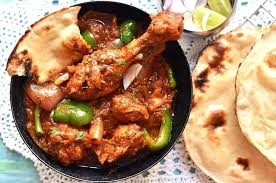
A fresh controversy has started on social media after a customer claimed that he received Kadai Chicken instead of Kadai Paneer through Zomato.
The incident quickly went viral on X (formerly Twitter), with many users expressing anger and disappointment over the mistake. Food mix-ups are not new, but when it involves vegetarian and non-vegetarian food, the issue becomes more serious in India.
What Exactly Happened?
According to the viral post, a customer ordered Kadai Paneer from a restaurant listed on Zomato. However, when the delivery arrived, he allegedly found Kadai Chicken inside the package.
The customer shared a copy of the bill online. The receipt clearly mentioned “Kadai Paneer” along with the order date, time, and total amount paid. This created confusion and raised questions about how such an error happened.
For a vegetarian person, receiving non-vegetarian food is not just a small mistake. It can hurt personal beliefs, religious sentiments, and trust.
Why Veg–Non-Veg Mix-Up Is a Sensitive Issue in India
In India, food choices are deeply connected to culture, religion, and personal values. Many people strictly avoid non-vegetarian food for religious or ethical reasons.
Even accidental contact with non-veg items can make someone uncomfortable. That is why delivery platforms and restaurants must take extra care while packing and labeling food orders.
Such mistakes can damage customer trust and brand reputation.
Zomato’s Official Response
After the complaint gained attention, Zomato responded publicly. The company expressed regret and said it respects customer dietary preferences.
Zomato assured the user that the matter would be checked with the restaurant partner and necessary action would be taken after investigation.
The quick reply shows that the platform is active on social media and serious about handling complaints.
Who Is Responsible – Platform or Restaurant?
This question often comes up in such cases.
Usually, restaurants prepare and pack the food, while the delivery partner only transports it. However, since customers place the order through Zomato’s app, they expect the platform to ensure quality and accuracy.
In my opinion, both the restaurant and the delivery platform share responsibility. Strong quality checks and proper labeling can prevent such incidents.
How Can Such Mistakes Be Avoided?
There are simple solutions that can reduce these errors:
Clear Packaging Labels
Veg and non-veg items should have clear and bold stickers to avoid confusion.
Separate Kitchen Areas
Restaurants should maintain separate preparation areas for vegetarian and non-vegetarian dishes.
Double Verification Before Dispatch
A final checking step before handing over the order to the delivery partner can prevent mistakes.
Technology like barcode scanning can also help in confirming the right order.
Impact on Customer Trust
Food delivery platforms like Zomato depend heavily on customer trust. One viral complaint can influence thousands of potential users.
In today’s digital world, even a small issue can become national news within minutes. That is why companies must act fast and transparently.
Conclusion
The Kadai Paneer–Kadai Chicken mix-up has once again highlighted the importance of accuracy in food delivery services. While mistakes can happen, errors involving vegetarian and non-vegetarian food are especially sensitive in India.
Zomato’s quick response is a positive step, but long-term solutions are needed to prevent such incidents in the future. Customers expect not only fast delivery but also respect for their food choices.
Trust, once broken, is difficult to rebuild. Food platforms must treat such cases with utmost seriousness.
FAQs
What was the issue in the Zomato order controversy?
A customer claimed that he ordered Kadai Paneer but received Kadai Chicken instead, which led to online outrage.
Did Zomato respond to the complaint?
Yes, Zomato replied publicly and assured that the issue would be investigated with the restaurant partner.
Why is veg and non-veg mix-up a serious matter?
In India, food habits are linked to religion and personal beliefs. Receiving non-veg food by mistake can deeply hurt sentiments.
Who is responsible for wrong food delivery?
Usually, the restaurant prepares and packs the order, but since the platform handles the transaction, both share responsibility.
How can customers avoid such issues?
Customers can check restaurant ratings, review order details carefully, and immediately report any mistakes through the app for quick resolution.