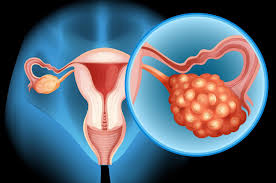
Ovarian cancer is often called a “silent killer” because its symptoms are usually mild and easy to ignore. Many women do not realize something is wrong until the disease has progressed. Being aware of the warning signs can help women detect the condition early and seek timely medical help. In this article, we explain the symptoms, causes, types, prevention methods, and important questions to ask your doctor.
Symptoms of Ovarian Cancer
Ovarian cancer symptoms can be very subtle and often resemble everyday health issues. Women should pay attention if they notice these changes:
- Persistent bloating: The stomach feels swollen or tight for several weeks.
- Feeling full quickly: Even after a small meal, the stomach feels heavy.
- Unexplained weight loss: Losing weight without changing diet or exercise.
- Pelvic or abdominal pain: Dull pain not linked to periods.
- Fatigue: Feeling extremely tired even after rest.
- Lower back pain: Pain that is not due to muscle strain.
- Bowel or urinary changes: Constipation, frequent urination, or urgency without infection.
Many women initially confuse these symptoms with digestive problems, PCOS, or endometriosis, which can delay diagnosis. Early medical evaluation is essential when symptoms persist.
Causes of Ovarian Cancer
The causes of ovarian cancer are complex and not always clear. However, several factors may increase risk:
- Genetic mutations: Changes in BRCA1 and BRCA2 genes increase risk.
- Age: Most cases occur in women between 50 and 63 years.
- Family history: Having relatives with ovarian cancer raises your risk.
- Endometriosis: Tissue similar to the uterus lining grows outside the uterus.
- Hormone therapy: Post-menopausal hormone replacement can increase risk.
- Never been pregnant: Women who have not carried a pregnancy to term have a slightly higher risk.
It is important to understand that having one or more risk factors does not guarantee ovarian cancer, and some women may develop it without any known risk factor.
Types of Ovarian Cancer
Ovarian cancer is not a single disease. It is divided into three main types:
- Epithelial tumours: These arise from the outer lining of the ovary. Subtypes like serous, mucinous, and clear cell tumours behave differently and respond to treatment differently.
- Stromal tumours: These start in hormone-producing cells and are often detected earlier because they cause hormone-related symptoms.
- Germ cell tumours: These are rare and develop from egg-producing cells, more common in younger women. They often respond well to treatment when detected early.
Knowing the type helps doctors choose the right surgery, chemotherapy, and treatment plan.
How to Reduce the Risk of Ovarian Cancer
Preventing ovarian cancer completely may not be possible, but there are ways to lower the risk:
- Oral contraceptives: Pills that prevent ovulation may reduce risk but should be used after consulting a doctor.
- Surgery for high-risk women: Tubal ligation or removing ovaries may be considered for those with genetic risk factors.
- Pregnancy and breastfeeding: Both reduce ovulation cycles and lower the risk.
- Limit hormone therapy: Avoid unnecessary post-menopause hormone treatment.
- Family history awareness: Genetic counseling is recommended if ovarian cancer exists in your family.
Healthy lifestyle habits, regular check-ups, and awareness of symptoms are also important preventive steps.
Questions to Ask Your Doctor
Being informed is key to managing ovarian cancer. Women should ask their doctors important questions like:
- What type of ovarian cancer do I have, and what does it mean for treatment?
- What stage is my cancer, and what does it mean for prognosis?
- What treatment options are available, and what side effects can I expect?
- Will I be able to conceive after treatment?
- Is genetic testing recommended for me or my family?
- How will treatment affect my hormone levels?
- What symptoms should I watch for during treatment?
- Are there any clinical trials I can join?
Asking these questions helps patients make informed decisions and feel confident about their care.
Conclusion
Ovarian cancer is tricky because early symptoms are vague and easy to ignore. Persistent bloating, pelvic discomfort, sudden weight changes, and unusual urinary or bowel habits should never be overlooked. Early detection through awareness and timely consultation with a gynecologist can save lives. Women are encouraged to discuss their risk factors and symptoms with qualified specialists without delay.
Frequently Asked Questions (FAQs)
What are the early warning signs of ovarian cancer?
Persistent bloating, pelvic pain, feeling full quickly, frequent urination, and changes in bowel habits are common early warning signs.
Is ovarian cancer curable?
Ovarian cancer can be treated and sometimes cured if detected early. Success depends on the stage, type, and overall health.
How fast can ovarian cancer spread?
Some types can progress quickly from early to advanced stages in a few months, making early detection crucial.
Can a blood test detect ovarian cancer?
The CA-125 blood test can detect certain markers of ovarian cancer but is usually combined with imaging and other tests for accurate diagnosis.