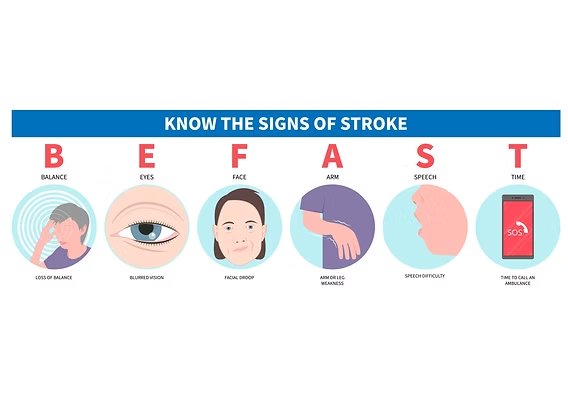
Stroke is a serious medical condition that happens when blood supply to the brain is blocked or a blood vessel bursts. Most people know about common stroke signs like face drooping, arm weakness, and speech problems. These are explained by the BEFAST rule – Balance, Eyes, Face, Arms, Speech, and Time. But strokes can sometimes show signs that are not well-known. Recognizing these hidden symptoms early can save lives.
Sudden Severe Headache
A very strong headache that comes suddenly can be a warning of a stroke. People often think it is just a migraine or stress, but if it is sudden and severe, it could be due to bleeding in the brain. This type of stroke is called hemorrhagic stroke. If someone experiences the worst headache of their life, it is important to call emergency services immediately.
Confusion or Memory Problems
Sometimes, stroke affects the brain areas responsible for thinking and memory. A person may become confused, forget simple things, or get lost in familiar places. These symptoms are easy to ignore because they may seem like tiredness or stress. However, sudden confusion should always be taken seriously.
Difficulty Swallowing (Dysphagia)
Some strokes affect the brain areas that control swallowing. This can make it hard to eat or drink properly. Choking or coughing while eating can be a sign of this problem. Difficulty in swallowing increases the risk of infections and other health problems. Immediate medical attention is necessary.
Loss of Coordination or Clumsiness
Strokes affecting the cerebellum can make movements uncoordinated. People may trip, drop things, or have trouble with daily tasks like writing or buttoning clothes. This is different from normal balance issues. Sudden clumsiness should not be ignored as it may indicate a stroke in progress.
Changes in Mood or Personality
A stroke in the frontal lobe can cause sudden emotional changes. People may become unusually irritable, sad, or laugh at strange moments. Such mood changes are often overlooked, but they can be a sign of a stroke. Observers should take note of unusual behavior and seek medical help immediately.
Blurred or Double Vision
Vision problems can also indicate a stroke. Blurred or double vision may appear suddenly without any warning. This happens when the stroke affects the part of the brain that processes visual information. Even if there is no pain, sudden changes in vision should be treated as an emergency.
Numbness or Tingling in Unusual Areas
Stroke can affect sensory areas of the brain, causing numbness or tingling in parts of the body like fingers, toes, or one side of the face. People may feel a pins-and-needles sensation. Sudden numbness should never be ignored, even if it feels mild.
Why Hidden Stroke Symptoms Are Overlooked
Hidden stroke symptoms are often mistaken for less serious conditions. People may think severe headache is a migraine, clumsiness is fatigue, or mood swings are stress-related. Ignoring these signs can delay treatment and increase the risk of long-term damage. Every minute counts during a stroke, and early intervention can save lives.
What to Do If You Notice These Symptoms
- Call emergency services immediately. Do not try to drive to the hospital yourself.
- Note the time when symptoms began. This helps doctors decide the best treatment.
- Do not ignore even mild symptoms. Sometimes a minor stroke (TIA) can precede a major stroke.
- Stay calm and help the patient remain comfortable while waiting for medical help.
Conclusion
Stroke is a life-threatening condition that can show signs beyond the commonly known BEFAST symptoms. Hidden signs like severe headache, confusion, swallowing problems, clumsiness, mood changes, vision problems, and numbness can indicate a stroke. Recognizing these early and taking immediate action can prevent serious complications and even save lives. Awareness is key — share this information with your family and friends.
FAQs
What is a hidden stroke symptom?
Hidden stroke symptoms are signs that are not commonly known or included in the BEFAST rule. They can include confusion, mood changes, difficulty swallowing, or unusual numbness.
How quickly should someone act on stroke symptoms?
Immediate action is crucial. Call emergency services as soon as you notice symptoms, even if they seem mild. Early treatment increases chances of recovery.
Can a stroke happen without BEFAST signs?
Yes. Some strokes affect parts of the brain that do not show common BEFAST symptoms. Hidden signs can be just as dangerous and should be recognized.
Are mood changes a sign of stroke?
Yes. Sudden mood swings, irritability, or unusual emotional reactions can be a sign of stroke, especially if they appear with other symptoms.
Is numbness always serious?
Sudden numbness or tingling, especially on one side of the body, is serious and can indicate a stroke. It should never be ignored.
Disclaimer: The information in this article is for educational purposes only. It is not a substitute for professional medical advice. Always consult a doctor or healthcare professional for diagnosis or treatment. The content has been collected from multiple online sources and may not cover all possible symptoms.